
Is Sitting Really the New Smoking?
What It Actually Does to Your Spine
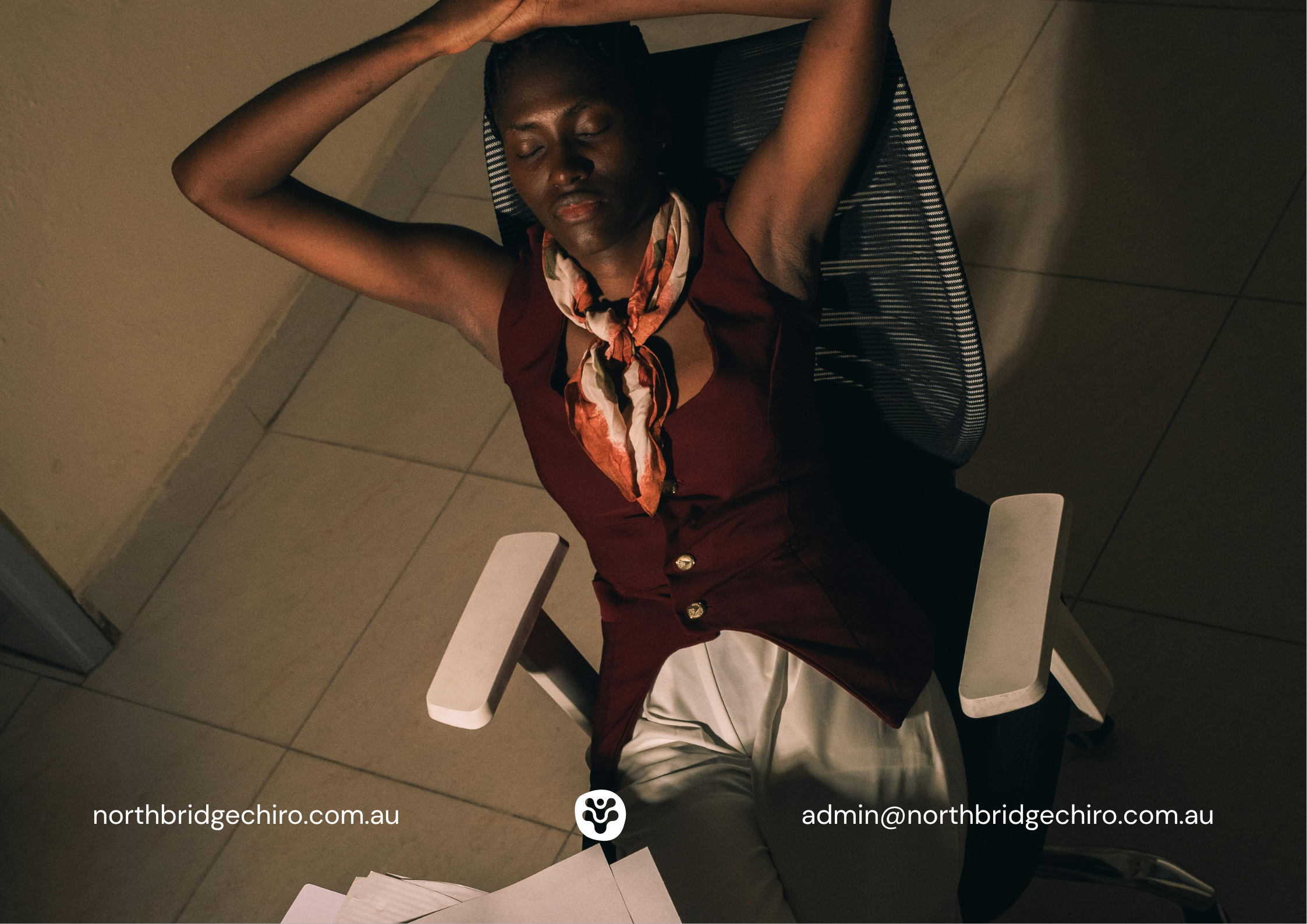
Taking a proper break during the workday is more useful than most people give it credit for. Leaning back, opening the chest, and letting the neck and shoulders decompress for even thirty seconds can make a real difference to how the upper body feels by the end of the day. Your body adapts to what you do daily, and small habits like this one add up over time.
The comparison to smoking is dramatic. And honestly, it’s a bit of an overstatement. But the underlying concern is real.
Prolonged sitting, particularly in a forward, rounded position, creates a specific set of conditions in the body that build up quietly over time.
Here’s what’s actually happening.
When you sit for long periods, especially with a forward lean,

the natural curve of your lower back tends to flatten or reverse. The muscles at the front of your hips (the hip flexors) shorten and tighten because they’re held in a shortened position for hours. The muscles in your glutes and lower back that are supposed to support your spine become underactive because they’re not being asked to do much.
Over time, this changes the way load is distributed through your spine. Some areas end up carrying more than they should. Others become weak and unstable. And because it happens gradually, most people don’t notice until something starts complaining.
The upper body has its own version of this. Hours at a screen tend to pull the head forward and round the shoulders. The muscles at the front of the chest tighten. The ones between the shoulder blades weaken. The neck ends up doing more work than it’s designed for.
This doesn’t mean sitting is the enemy. It means that sustained, static sitting, without enough movement breaks, is hard on a body that was designed to move.
A few things that may help:
- Movement breaks matter more than most people realise. Even two to three minutes of movement every 45 to 60 minutes can reduce the cumulative load significantly.
- Screen and chair setup affects how much your body has to compensate. Screen at eye level, feet flat, hips slightly higher than your knees.
- Strengthening the posterior chain, the muscles of your glutes, lower back, and upper back, can help your body hold up better under the demands of a desk-based day.
If you’ve been sitting for most of your working life and your body is starting to reflect that, it’s worth understanding what’s going on underneath.
👉 Book online if you’d like support
— Dr Mario, Northbridge Chiropractic
Feeling tight, sore or just not quite right?
Get simple, practical tips on posture, stress, and recovery…So your body can move and feel better day to day.
No spam. Just helpful emails you can actually use.