Knee Pain
Knee pain has a way of affecting everything.
Walking, climbing stairs, sitting for long periods, getting up from a chair. When the knee is not functioning well, even simple daily movements can become something you think twice about.
Most people don’t realise that knee pain is not always about the knee itself. How the hip moves, how the foot lands, how the lower back and pelvis are functioning — all of these can influence what is happening at the knee. That is why we look at the whole picture, not just the area that hurts.
At Northbridge Chiropractic, we assess the underlying contributors to your knee pain and work with you on a care plan that is specific to your situation.
What Can Contribute to Knee Pain
Knee pain is common across all ages and activity levels. It is not just a sporting injury. Some of the most common things we see include:
➜ Runner’s knee, also known as ITB friction syndrome, where the iliotibial band becomes tight and irritates the outer knee during repetitive movement.
➜ Jumper’s knee, or patellar tendinopathy, which involves irritation of the tendon connecting the kneecap to the shin bone.
➜ Ligament strains from sudden changes in direction, falls, or contact injuries.
➜ Muscle strains and soft tissue injuries affecting the muscles that support and control the knee.
➜ Biomechanical dysfunction, where issues in the hip, foot, or lower back alter how load is distributed through the knee.
➜ Referred pain from the lower back or sciatic nerve, which can travel down the leg and be felt around the knee.
➜ Bone and joint conditions such as osteoarthritis, which we see more commonly in older patients.
➜ Overuse injuries that develop gradually from repetitive activity without adequate recovery.
➜ Work-related injuries from prolonged kneeling, heavy lifting, or repetitive movement patterns.
Why It Is Worth Getting Assessed Sooner Rather Than Later
What starts as a minor niggle can become a more significant issue over time if the underlying cause is not addressed.
The knee is a load-bearing joint that relies heavily on the structures around it, including the muscles, tendons, and alignment of the hip and foot, to function well. When something is not right and the body compensates, other areas begin to take on extra load.
A proper assessment helps identify what is contributing to your knee pain so that the right approach can be taken early. We often see people who have been managing knee discomfort quietly for months before coming in. In many cases, the contributing factors are identifiable and can be worked with.
How We Approach Knee Pain at Northbridge
We start with a thorough assessment before anything else.
We look at the knee itself and at the structures above and below it, including the hip, pelvis, lower back, and foot. We ask about how the pain started, what makes it better or worse, your activity levels, and your daily routine.
Depending on what we find, your care may include chiropractic assessment and management of spinal or pelvic contributions to knee loading, soft tissue therapy and myofascial release for the muscles supporting the knee, dry needling to address trigger points in the quadriceps, hamstrings, calves, or hip region, rehabilitation exercises to support strength and movement around the knee, stretching recommendations tailored to your specific situation, and biomechanical guidance on movement patterns, footwear, or activity modification where relevant.
We work with you at a realistic pace. Your care plan is built around your situation and adjusted as your body responds.
Stretches Commonly Recommended for Knee Pain
Gentle stretching of the muscles supporting the knee can be a helpful part of managing knee discomfort. Some commonly recommended stretches include:
Quad stretch Standing hamstring stretch Standing or wall calf stretch Half-kneel hip and quad stretch
Your practitioner will recommend the stretches most relevant to your situation and show you how to perform them safely. The right stretches depend on what is contributing to your knee pain, which is why a proper assessment comes first.
What Happens at Your Appointment
If this is your first visit to Northbridge Chiropractic, here is what to expect.
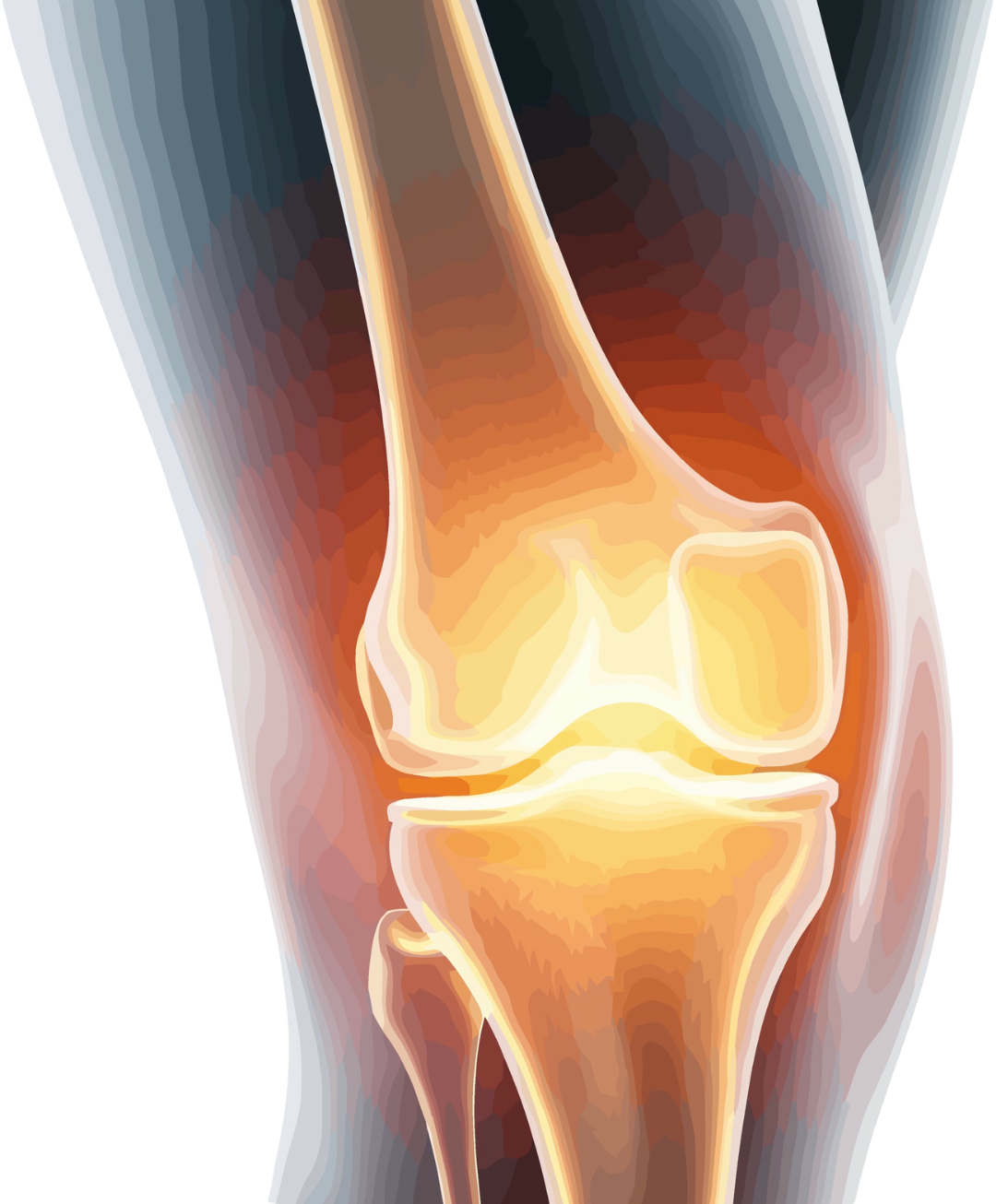
Your first appointment is longer than a standard visit. We take time to understand your history, how the knee pain started, and what you have already tried. We ask about your activity levels, your daily routine, and any previous injuries to the knee or surrounding areas.
We then carry out a physical assessment that looks at the knee and the structures above and below it.
We will walk you through what we find and explain what may be contributing to your discomfort. If we feel chiropractic care may be appropriate for your situation, we will outline what a care plan could look like and give you a realistic sense of what to expect over time.
There is no pressure. You are welcome to ask as many questions as you like before making any decisions.
Follow-up appointments are more focused. As we get to know how your body responds, we adjust the approach accordingly.
Would you like to understand what may be contributing to your knee pain?
If knee discomfort has been affecting your movement, your activity, or your daily life, we would be happy to help.
Book online to secure your appointment with Dr Mario Vinci or Dr Nicola Colebrook at Northbridge Chiropractic, Perth. Or call us on (08) 9227 9341.
We accept all major health fund cards.
Get in
touch
6/177 Stirling Street Perth WA 6000
OPENING HOURS
Practitioners
- Dr Mario:
- Monday 2:00 pm – 7:00 pm
- Tuesday & Thursday 8:30 am – 7:00 pm
- Friday 8:30 am – 12:30 pm
- Saturday 8:00 am – 12:00 pm
- Dr Clay:
- Monday 8:30 am – 6:30 pm
- Wednesday 8:30 pm – 6:30 pm
- Dr Nicola (on maternity leave)
- Sydney (R.Massage Therapist)
- Monday 7:00 am- 12:00 pm
- Thursday 7:00 am- 12:00 pm
Admin Support
- Emmy:
- Monday & Wednesday 12:30 pm – 7:00 pm
- Tuesday & Thursday 8:30 am – 7:00 pm
- Friday 8:30 am – 12:30 pm
- Maya:
- Saturday 8:00am-12:00pm