Most people know that sitting all day is not great for their back.
What many people don’t realise is why.
We often hear advice like “sit up straight” or “improve your posture”. While posture does matter, there is another important piece of the puzzle that gets overlooked.
Your spinal discs need movement to stay healthy.
What Are Spinal Discs?
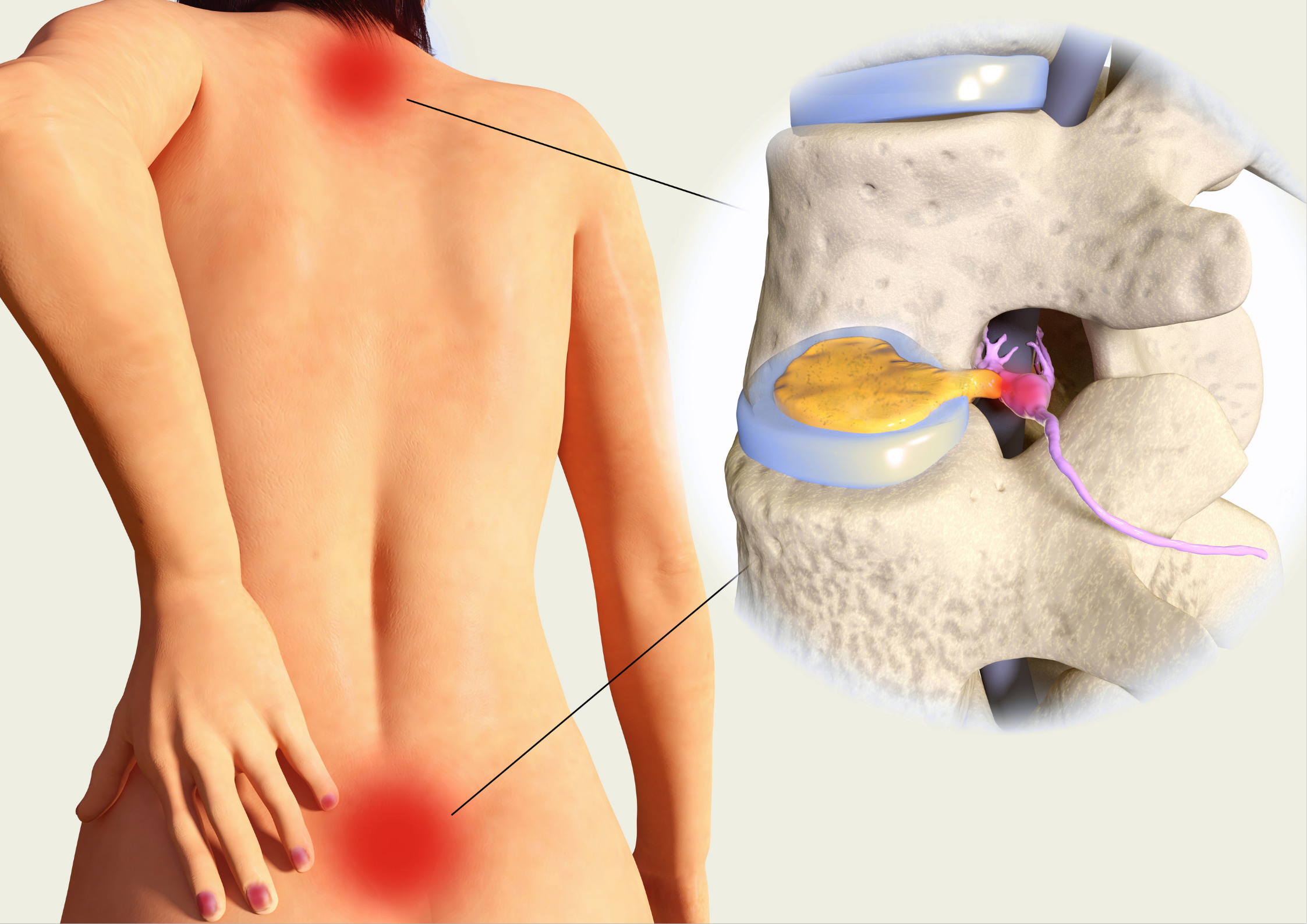
The discs in your lower back sit between the bones of your spine. They act like cushions, helping absorb shock and allowing your back to bend, twist and move comfortably throughout the day.
Here’s something interesting.
Unlike most tissues in your body, spinal discs do not have their own direct blood supply. That means they cannot simply receive nutrients through blood vessels like your muscles do.
Instead, they rely on movement.
Every time you walk, change position, stand up, bend over or stretch, your discs are gently compressed and released. This process helps move fluid, nutrients and oxygen into the discs while carrying waste products away.
Think of it like squeezing and releasing a sponge.
Movement helps keep the discs nourished.
What Happens When We Sit Too Long?
When we sit for long periods, especially in the same position, that natural pumping action slows down.
The discs stay under constant pressure and have fewer opportunities to absorb the nutrients they need.
Recent research has found that prolonged sitting may reduce disc height during the day, which suggests the discs are spending long periods under compression without enough movement to help them rehydrate.
Long periods of sitting can also contribute to:
- Lower back stiffness
- Muscle fatigue
- Increased tension through the hips and lower back
- Reduced movement through the spine
- General discomfort that often improves once you get moving again
For many office workers, these symptoms become so common that they start to feel normal.
Is Sitting the New Smoking?
You’ve probably heard that phrase before.
While it may be an exaggeration, research does show that people who spend most of their working day sitting are more likely to experience lower back pain and disc related problems over time.
This does not usually happen overnight.
It tends to build gradually through months and years of spending long periods sitting with very little movement.
The Problem With “Sit Up Straight”
Good posture can certainly help reduce unnecessary strain on your back.
But the latest research suggests there is something even more important.
Variation.
Your body is not designed to stay in any one position all day, even if that position is technically perfect.
The healthiest posture is often the next posture.
Your discs benefit from movement, position changes and regular shifts in load throughout the day.
In other words, it is better to move often than to sit perfectly.
Three Simple Things You Can Do
1. Move Every 30 to 45 Minutes
Stand up.
Walk to the printer.
Fill your water bottle.
Take a quick lap around the office.
Even a couple of minutes of movement can help restore the natural loading and unloading process your discs rely on.
2. Change Positions Regularly
Try not to sit in exactly the same position all day.
Lean back occasionally.
Stand during a phone call.
Shift your weight.
Move your chair.
Small changes throughout the day can make a big difference.
3. Stretch Your Hip Flexors
The muscles at the front of your hips can become tight after long periods of sitting.
When this happens, they may place extra stress on your lower back.
A simple kneeling hip flexor stretch for around one minute on each side can be a useful way to counter some of the effects of prolonged sitting.
Listen To The Early Signs
Lower back problems rarely appear overnight.
The body usually gives us warning signs first.
You might notice:
- Stiffness when standing up after sitting
- Tightness that improves once you start moving
- A dull ache at the end of the workday
- Feeling like your back needs constant stretching
These are signals worth paying attention to.
Your spinal discs need movement.
While posture matters, movement is often the missing ingredient for many people working desk based jobs.
Regular position changes, short movement breaks and paying attention to early signs of stiffness can all help support the health of your lower back over time.
If you have ongoing lower back tightness, stiffness or discomfort that keeps returning, it may be worth having your spine properly assessed to better understand what is contributing to the problem.
If you’d like support, book online at Northbridge Chiropractic. We’d be happy to help you understand what’s going on and discuss the options available to you.
👉 Book online if you’d like support
— Dr Mario, Northbridge Chiropractic
Feeling tight, sore or just not quite right?
Get simple, practical tips on posture, stress, and recovery…So your body can move and feel better day to day.
No spam. Just helpful emails you can actually use.